Ember is building a B2B sales intelligence platform, but as the product evolved, its onboarding flow hadn’t.
We were tasked with rethinking the first-time user experience (FTUX), specifically onboarding and workspace setup, to improve activation, reduce early churn, and help users understand value before they drop off.
This wasn’t just about cleaning up screens; it was about crafting an experience that helps users feel in control, guided, and confident, right from the first click.
Process:
We approached onboarding as a product within the product, working closely with product, growth, and engineering.
Steps I followed:
Analysed product usage data and drop-off metrics across onboarding stages.
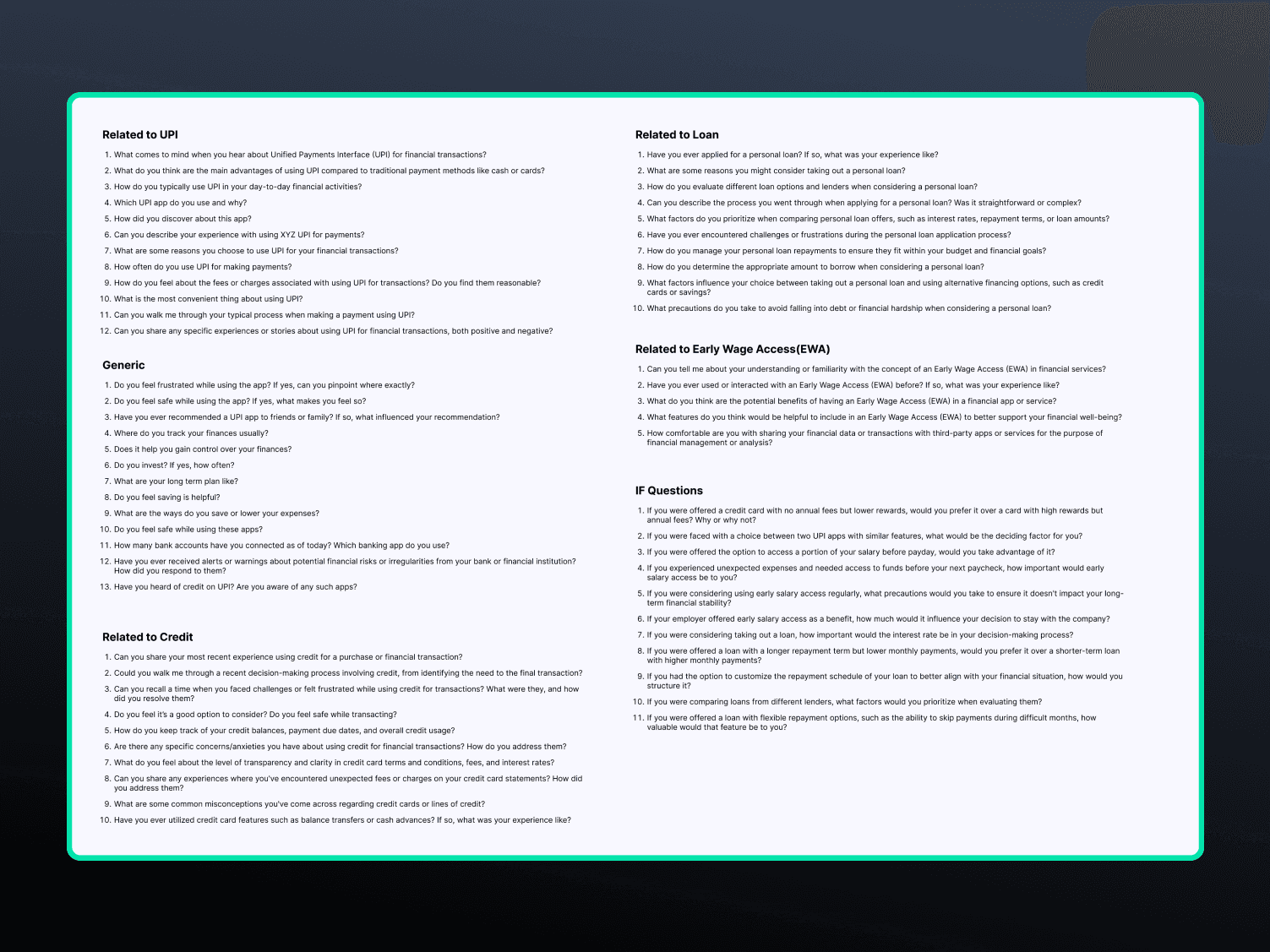
Interviewed new users and support teams to map emotional friction and confusion points.
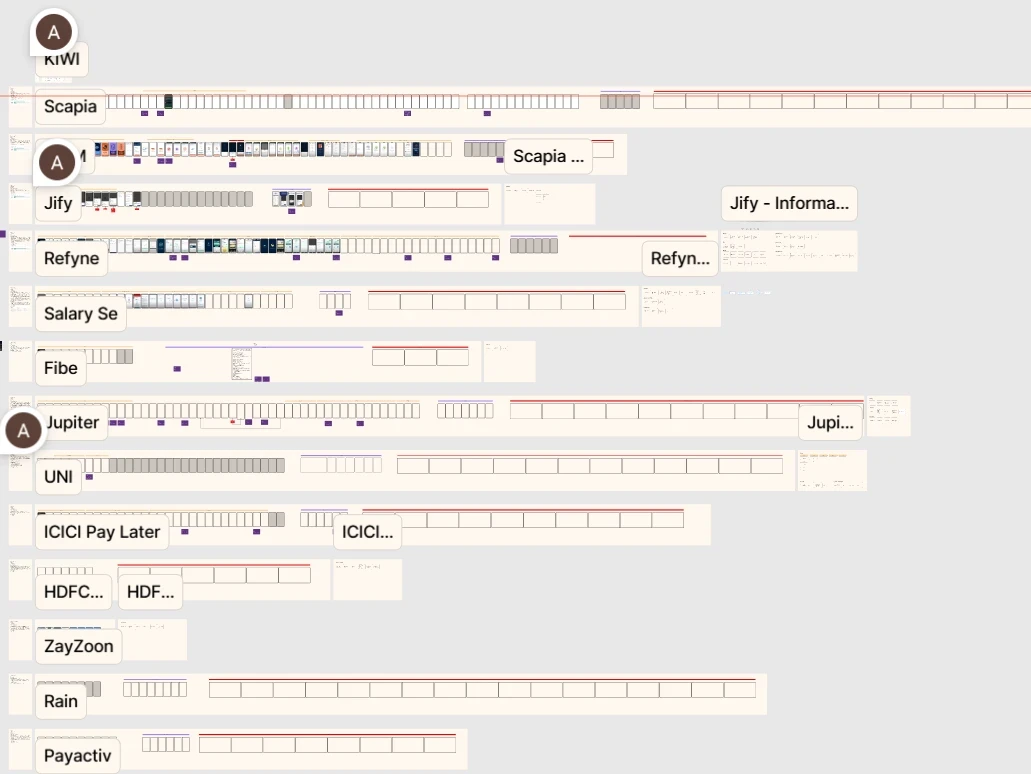
Audited top SaaS onboarding models to benchmark patterns of progressive disclosure and personalisation.
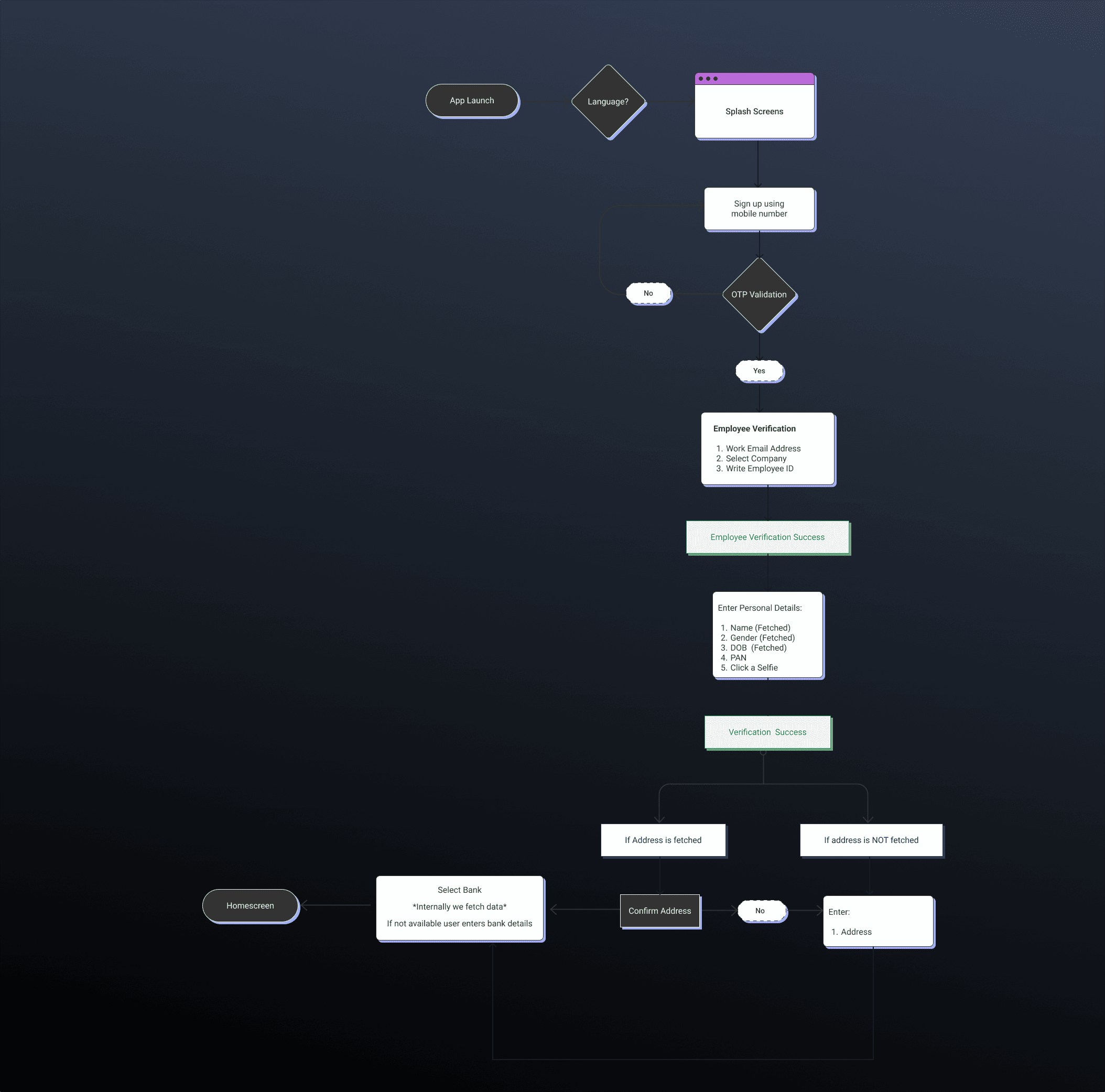
Broke down Ember’s core value props into micro-setup tasks (connect CRM, invite team, choose goal).
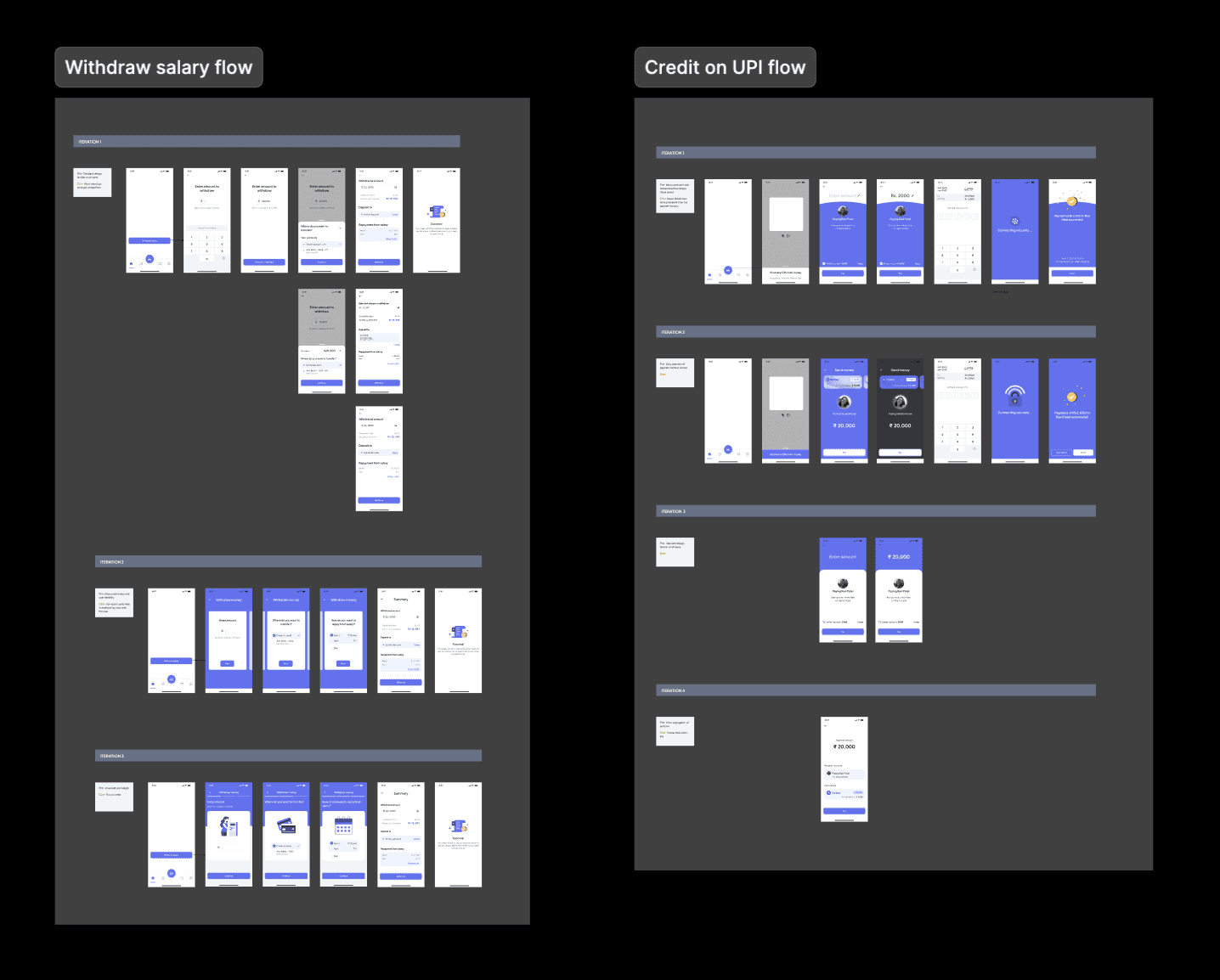
Prototyped multiple entry paths: modal flow, slide-in setup, persistent onboarding bar.
Tested copy and layout variations with real users in live environment using A/B tests.
Problem:
The previous onboarding experience had:
A cluttered, overwhelming UI with too many inputs upfront.
Poor guidance: no clear next step or contextual hand-holding.
No way to recover setup progress if the user exited mid-way.
Very little emotional reassurance that “you’re doing this right.”
The result? Low setup completion, high bounce, and users not reaching product value quickly enough.
Solution:
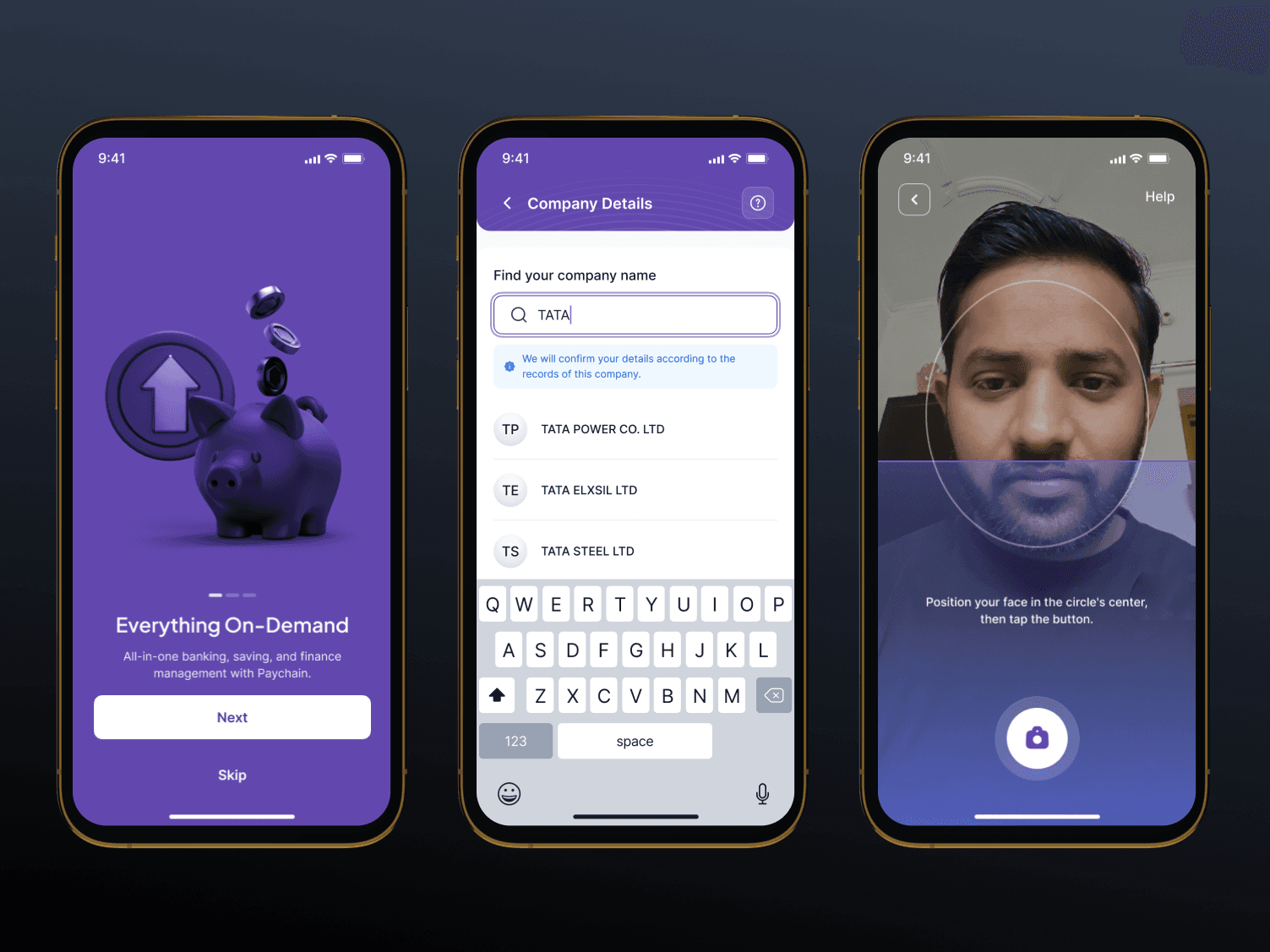
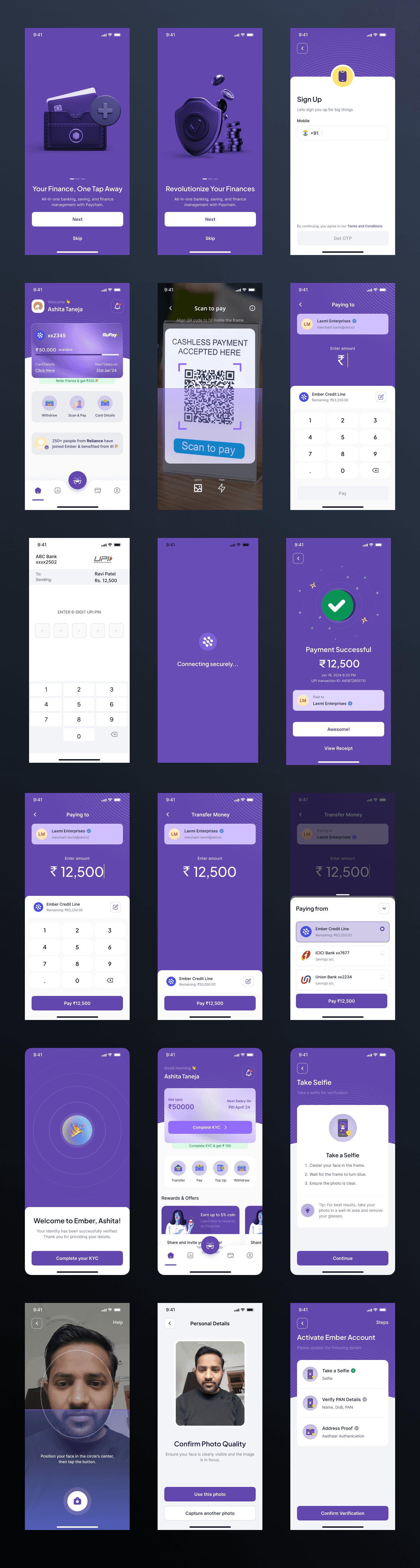
We redesigned the onboarding as a personalised, progressive setup journey broken into lightweight, modular tasks that let users gradually explore Ember.
Key interventions:
Introduced a step-wise setup tracker visible across the product, not locked inside modals.
Simplified the onboarding UI into guided micro-flows, each with one goal per screen.
Added friendly contextual copy and micro-validations (“Looks good!”, “One step closer!”).
Allowed skip and return later option, balancing speed and flexibility.
Embedded subtle progress motivation cues, checkmarks, success nudges, tooltips.
Designed screens to feel like forward momentum, not form-filling.
The goal was to reduce decision fatigue, build trust, and increase first value delivery.
Result:
Setup completion rate improved by 62% within 2 weeks post-launch.
Time to first value reduced by 30%, leading to better product stickiness.
Onboarding drop-off decreased noticeably fewer support queries from new users.
Internal teams adopted the setup flow to onboard partners and demo accounts faster.
Founders received direct feedback from users calling onboarding “smooth, fast, and human.”