It is a comprehensive platform redesign focused on transforming complex data into accessible, immediately actionable insights for all organizational stakeholders. The project utilized an iterative, user-centric approach that combined intelligent role-based defaults with progressive disclosure to balance ease of use with deep customization. Following successful usability testing with various user roles, the final hybrid solution achieved a 9.2/10 for ease of use and led to a 60% reduction in decision-making time.
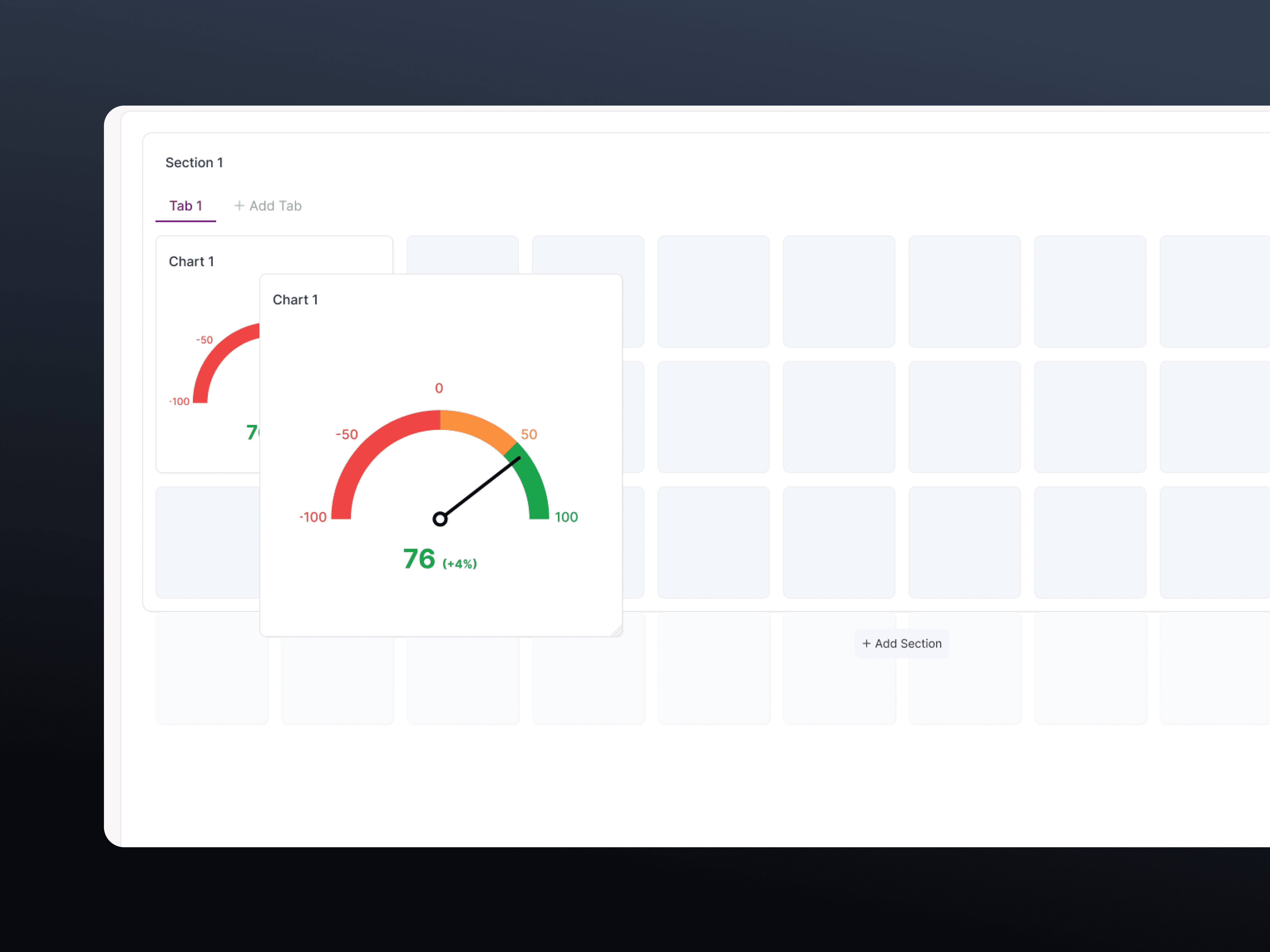
Process:
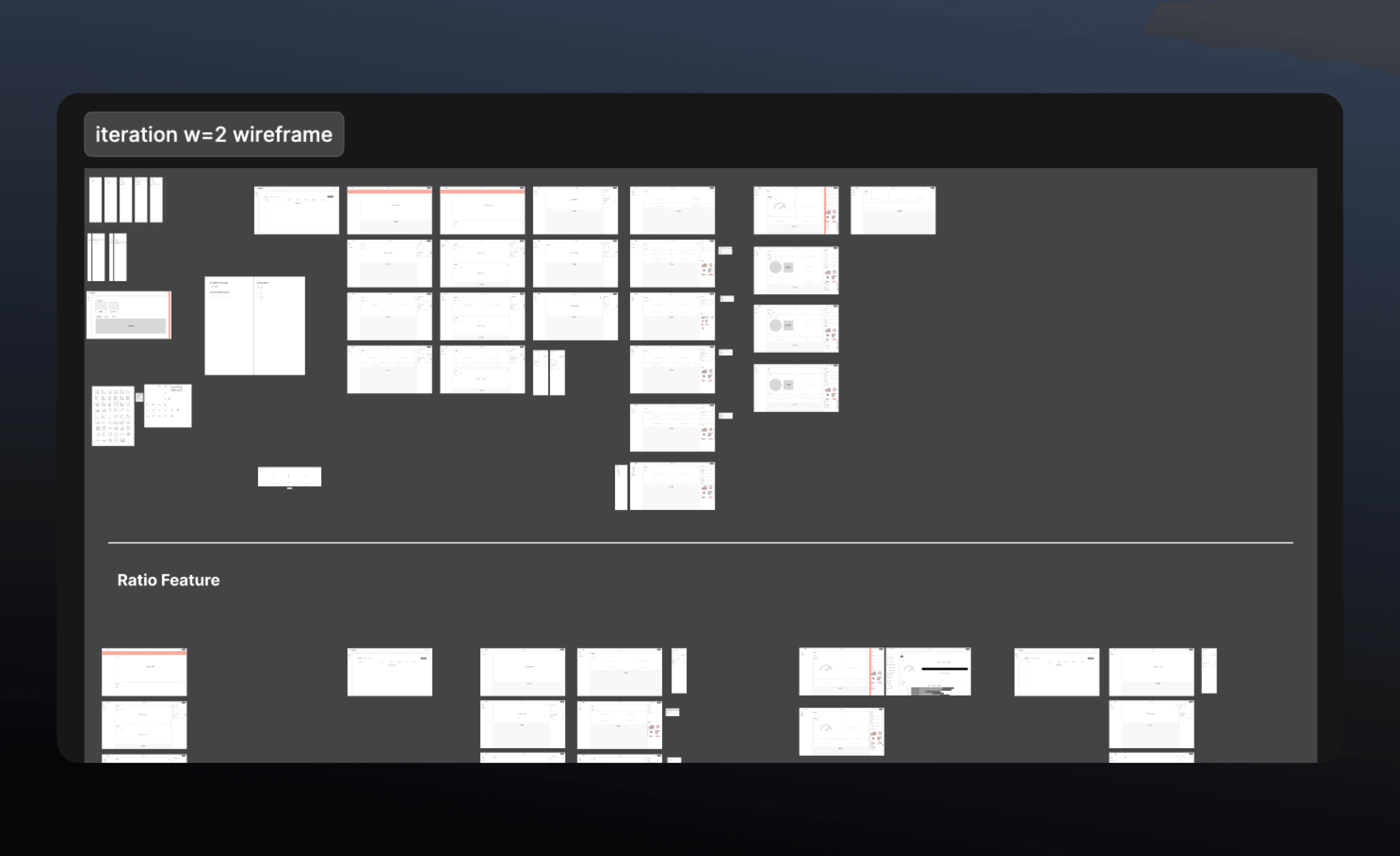
The design process for Karnival Business Intelligence (BI) followed a rigorous, seven-phase iterative path to transform complex data into an intuitive platform. The stages were as follows:
Phase 1: Research - Initial investigation to understand the complex challenges and user needs.
Phase 2: Ideation - Brainstorming and conceptualising potential solutions.
Phase 3: Iteration 1 - Developing the first version of the platform based on initial concepts.
Phase 4: Testing 1 - Evaluating the first iteration to identify areas for improvement.
Phase 5: Iteration 2 - Refining the design based on feedback and results from the first round of testing.
Phase 6: Testing 2 - Conducting a second round of evaluation to ensure the platform meets usability goals.
Phase 7: Final - Final implementation of the comprehensive redesign, ensuring it is accessible and actionable for every stakeholder.
Problem:
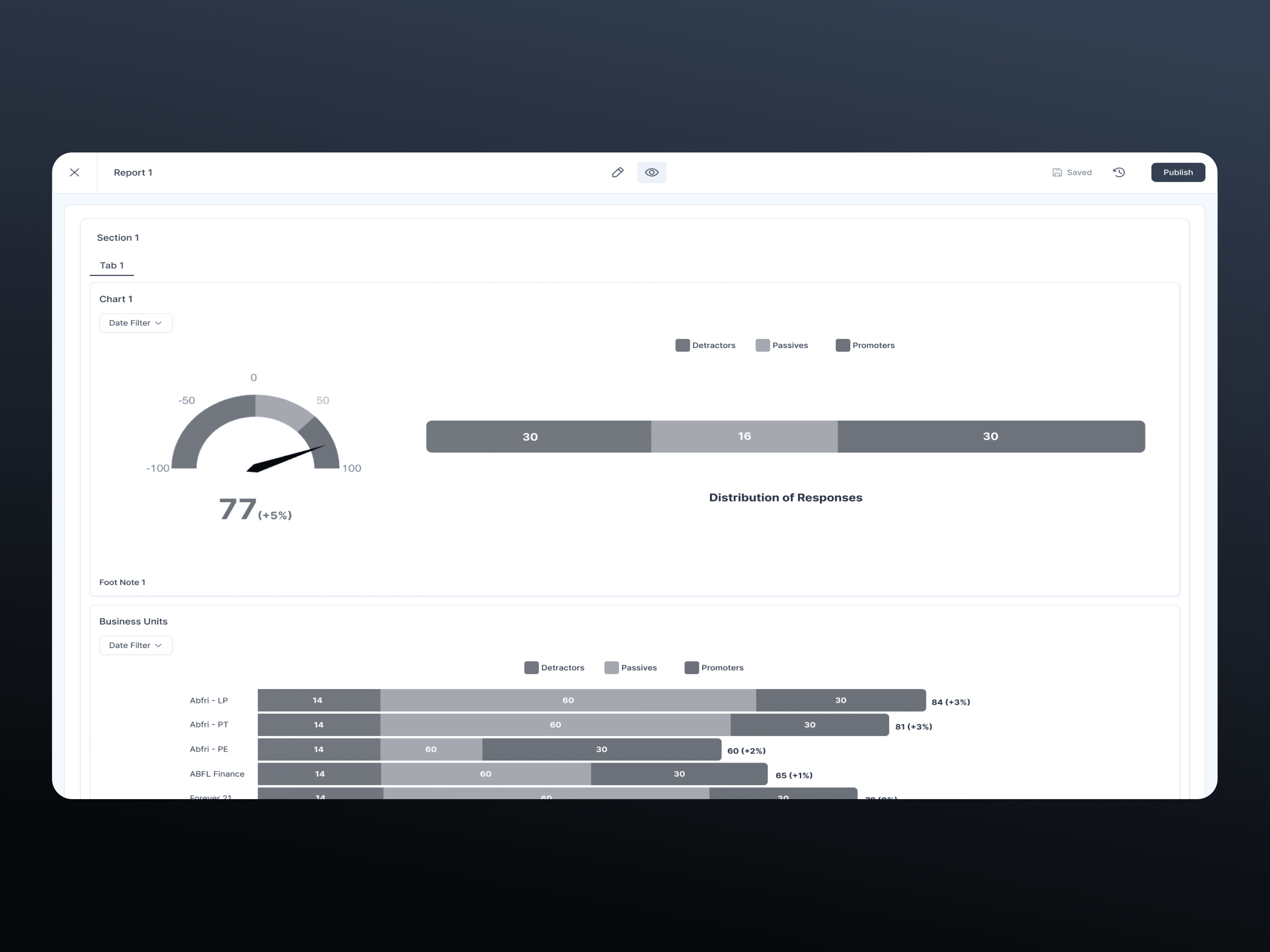
Legacy BI systems were failing to bridge the gap between complex data collection and effective business action, primarily due to these five foundational friction points:
Adoption Barriers: Low engagement across the organisation due to overly complex, non-intuitive interfaces.
Fragmentation: Data remained siloed rather than living in a unified ecosystem, preventing a single source of truth.
Static Reporting: Decision-making remained reactive because systems lacked the proactive, real-time insights required for speed.
Generalisation: A lack of role-based personalisation meant stakeholders struggled to find data relevant to their specific functions.
Context Vacuum: Insights were often delivered as raw numbers without the business context needed to make them actionable.
Solution:
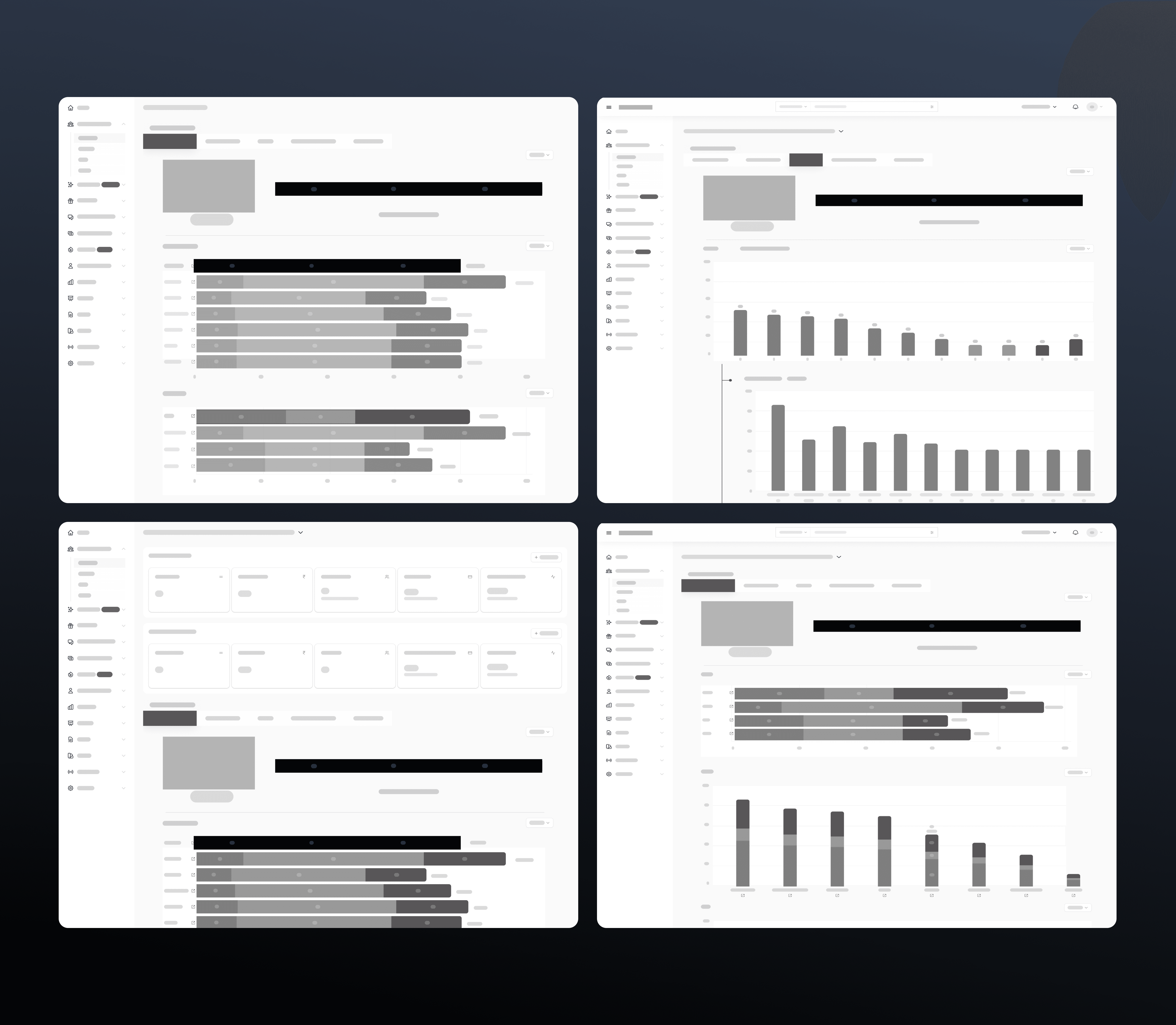
The solution focused on building flexible intelligence directly into operational workflows for every user from the frontline to the C-suite.
Self-Service Customisation: Intuitive drag-and-drop tools empower users to build reports independently, increasing adoption and reducing reliance on specialists.
Progressive Disclosure & Personalised Views: Role-based dashboards and layered data presentation ensure users only see prioritised, relevant data, reducing cognitive load.
Unified Data Ecosystem: All analytics, surveys, and reporting are integrated into a single platform to eliminate friction and establish a single source of truth.
Real-Time Dashboards & Proactive Alerts: Engineered high-speed data pipelines and automated alerting enable immediate operational response and proactive management.
Result:
The following Key Performance Indicators (KPIs) reflect the final platform's performance:
9.2/10 Ease of Use: High scores confirmed the platform’s adaptability for advanced users without compromising the core structure.
9.1/10 Visual Appeal: Validated that self-service personalisation features remained accessible through progressive disclosure.
9/10 Flexibility: Verified that the clean, professional visual language successfully drove user adoption.
8.9/10 Customisation: Confirmed that intuitive navigation and a low learning curve met the mandate for mass adoption.
Core Success Drivers
These results were achieved through the implementation of three foundational design principles:
Smart Defaults: Providing pre-configured views tailored to specific roles and business contexts.
Easy Customisation: Implementing simple controls that allow users to modify and personalise their experience.
Progressive Disclosure: Ensuring advanced features are only visible when specifically needed to reduce cognitive load.